
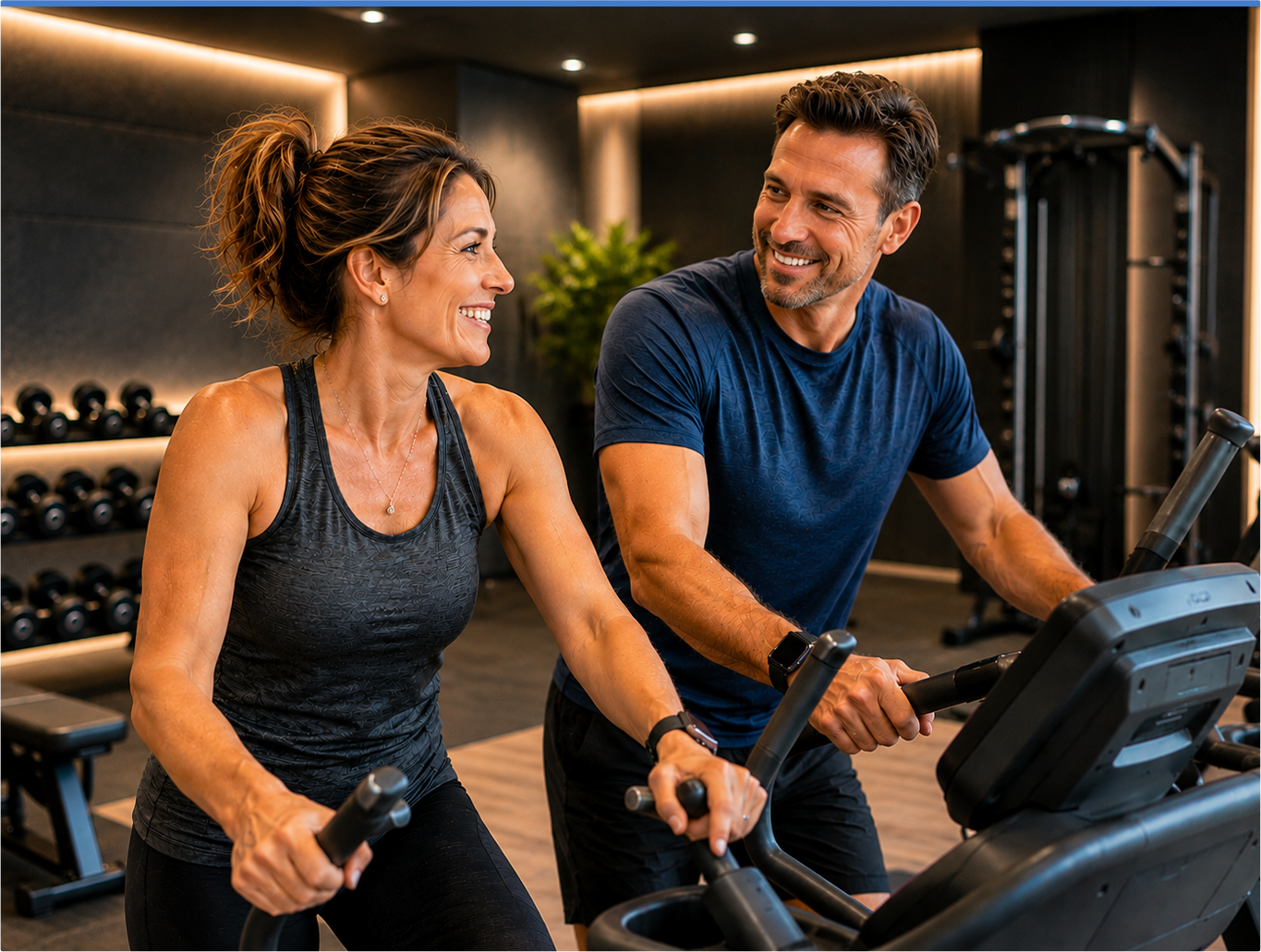

There is a version of fitness that most of us grew up around. Punishing cardio sessions, the relentless push for weight loss, workouts measured in sweat and suffering. For a lot of people, that approach worked fine in their twenties. Then life happened. And somewhere along the way, the body started sending different signals.
If you are in your 40s or 50s and feel like fitness is harder to crack than it used to be, you are not wrong. But here is the thing: it is not harder because you have failed. It is different because your body has changed, and it needs a different approach. Once you understand what is actually going on and how to work with it instead of against it, the results can honestly be better than anything you achieved when you were younger.
What Changes and Why It Matters
Starting around age 40, the body begins losing muscle mass at a rate of roughly one to two percent per year. By the time most people hit their fifties, that adds up to real changes in how they feel, move, and carry weight. Metabolism slows not because of some mysterious curse but largely because there is less muscle tissue driving it. Bone density starts to decline. Joints that were once forgiving become a little less so. Hormonal shifts, particularly for women navigating perimenopause and menopause, accelerate all of this.
None of this is cause for panic. It is cause for paying attention.
The research is genuinely encouraging. A 2026 study found that people who strength trained consistently showed measurably better cellular protection against biological aging. Training for just 90 minutes per week was linked to roughly four years less of biological aging on average. People who trained an hour three times per week were functioning at a cellular level like someone nearly eight years younger. That is not a minor benefit. That is a meaningful shift in how your body ages.
The Goal Changes, and That Is a Good Thing
In your twenties, fitness goals often center on how you look. By your forties and fifties, something interesting tends to happen. People start caring more about how they feel. They want to carry groceries without strain, keep up with grandchildren, travel without their knees arguing with them, and wake up with enough energy to actually enjoy the day.
Those are not lesser goals. They are better ones.
Training for function, strength, and longevity produces results that go far beyond the mirror. Strength training at this stage builds the kind of muscle and bone density that protects you from injury and helps prevent the falls and fractures that become increasingly serious with age. It supports joint health rather than wearing joints down. It improves balance, posture, and the kind of everyday mobility that most people do not appreciate until they start losing it.
And the mental side is just as real. Regular strength training has been shown to improve mood, sharpen focus, reduce anxiety, and support better sleep. Those benefits compound quietly over months and years in ways that are hard to put a number on but impossible to miss once you experience them.
Why This Stage Actually Has Advantages
There is something nobody tells you when you are young: older adults who start or restart a fitness program often make more consistent, sustainable progress than younger ones. Not because they are working harder, but because they are working smarter. They are not trying to prove anything. They show up, they follow the plan, they rest when they need to, and they stay the course.
At Diamond Physique, that is the kind of client Matthew is built to work with. A private studio with a single dedicated trainer means no waiting for equipment, no generic group programming that ignores where you actually are, and no shouting over a room full of twenty-somethings doing something completely different. Every session is designed around your body, your history, your goals, and the reality of where you are right now.
That kind of individualized attention matters at any age. At 40, 50, and beyond, it is the difference between a program that actually works and one that leaves you frustrated or injured.
Where to Start
If it has been a while, or if you have never had a proper strength training program before, the best move is to start with someone who can assess where you are and build from there. Not a cookie-cutter plan pulled from a fitness app. An actual program designed for you, progressed at the right pace, with technique that protects your joints and builds real results over time.
That is exactly what is waiting for you at Diamond Physique Ocala, right here in the Diamond Suites building on SW 6th Avenue.
It is never too late to get stronger. And for a lot of people, the years after 40 turn out to be the most rewarding ones to do it.
Ready to take the first step? Book your session at diamondphysiqueocala.com or call 352-286-5282.